Hey there! I’m a supplier of stenter machines, and I’m stoked to share with you how these nifty machines work their magic on cotton fabrics. You know, cotton is one of the most popular fabrics out there, and getting it just right in terms of quality and appearance involves a few key steps. And that’s where the stenter machine comes in. Stenter Machine

So, first off, let’s talk a bit about what a stenter machine is. A stenter is kind of like a big, high – tech oven on steroids. It’s designed to treat a whole bunch of fabric in a continuous way. There are different types of stenter machines, but the basic idea behind all of them is to stretch, dry, and heat – set cotton fabrics to give them the right properties.
The journey of cotton fabric through a stenter machine starts with the feeding stage. You see, the cotton fabric usually comes in large rolls. These rolls are placed on an unwind stand at the beginning of the stenter machine. The fabric is then carefully unrolled and fed into the machine. This step is super important because we need to make sure the fabric goes in smoothly without any wrinkles or twists. If there are any issues at this point, it can mess up the whole process.
Once the fabric is inside the stenter, it hits the stretching section. Now, cotton fabric can shrink a bit during the manufacturing process, and sometimes it might not be the right width. That’s where stretching comes in. The stenter has something called clip chains or pin tenter aprons on both sides of the fabric. These clips or pins grab onto the edges of the cotton fabric and gradually stretch it to the desired width. It’s like giving the fabric a little tug – of – war, but in a very controlled way. The stretching is usually done based on pre – set parameters. If you’re making a specific type of cotton clothing, like T – shirts, you’ll want the fabric to be a certain width so that it fits the cutting patterns later on.
After the stretching, the fabric moves into the drying zone. This is where the real heat action happens. The stenter machine has a series of heating chambers, and hot air is blown through the fabric. The heat helps to evaporate any moisture in the cotton. You see, cotton can absorb a fair amount of water during processes like dyeing or washing before it gets to the stenter. If the moisture isn’t removed properly, it can lead to mold growth, color bleeding, and a whole host of other problems. The temperature and the flow rate of the hot air can be adjusted according to the type of cotton and the stage of the process. For example, thicker cotton fabrics might need a higher temperature and a longer drying time compared to thinner ones.
During the drying process, the fabric is moving slowly through the heating chambers. This slow movement ensures that every part of the fabric gets evenly dried. If the fabric moved too fast, some parts might not get enough heat, and if it moved too slow, it could get over – dried and damaged. It’s a delicate balance, and the stenter machines are designed to maintain that perfect pace.
Once the fabric is dry, it enters the heat – setting phase. Heat setting is crucial for cotton because it helps to lock in the shape and dimensions that we achieved during the stretching process. It also improves the fabric’s stability and resistance to shrinking in the future. In the heat – setting chambers, the fabric is exposed to a specific temperature for a certain amount of time. This temperature is carefully calibrated depending on the composition of the cotton and the features we want to achieve. For instance, if we want the cotton fabric to have a high level of wrinkle – resistance, the heat – setting temperature and time will be adjusted accordingly.
The heat – setting process also has an impact on the fabric’s hand feel. You know how some cotton fabrics feel soft and smooth, while others are a bit stiffer? The heat – setting in the stenter machine can influence that. By controlling the heat and time, we can make the cotton fabric more or less rigid, depending on the end – use. If it’s going to be used for a formal shirt, we might want a slightly stiffer feel, but for a casual summer dress, we’d aim for a softer touch.
After the heat – setting is done, the fabric moves to the cooling section. This is where the fabric starts to come back to a more normal temperature. Cooling is important because it helps to solidify the changes that were made during the heat – setting. If the fabric was just taken out of the hot stenter and left to cool on its own, it could warp or lose some of the shape that we worked so hard to achieve. The cooling section usually has fans or other cooling mechanisms to bring the temperature down quickly and evenly.
Once the fabric has cooled down, it’s ready to be rolled up again. There’s an end – roll stand at the end of the stenter machine where the treated cotton fabric is wound back into a roll. This roll is then ready to be sent off to the next stage in the manufacturing process, whether that’s cutting, sewing, or whatever else is needed to turn it into a finished product.
Now, you might be wondering why a stenter machine is so important for cotton fabric production. Well, for starters, it ensures consistency. Every roll of cotton fabric that goes through the stenter comes out with the same width, moisture content, and stability. This is huge for manufacturers because it means they can rely on the quality of the fabric for their products. It also helps to improve the efficiency of the overall production process. Instead of treating the fabric in small batches, the stenter can handle large amounts of fabric continuously, which saves time and money.
Another great thing about stenter machines is that they’re pretty flexible. You can adjust the settings for different types of cotton fabrics. Whether it’s a lightweight cotton for summer wear or a heavy – duty cotton for work clothes, the stenter can be tweaked to get the best results. And if you want to add some special finishes to the cotton fabric, like a water – repellent or anti – static finish, the stenter can be used in combination with other treatment processes.
If you’re in the business of cotton fabric production, a good stenter machine is an absolute game – changer. It can take your fabric quality to the next level and help you stay competitive in the market.
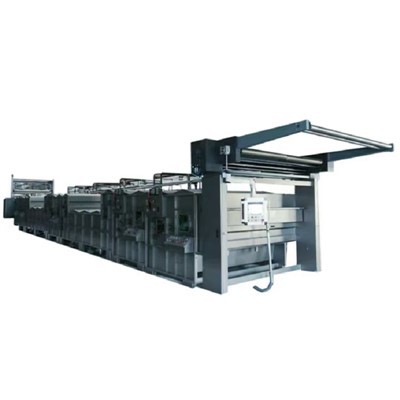
So, if you’re thinking about upgrading your production line or starting a new one, a stenter machine is definitely something you should consider. Whether you’re a small business or a large – scale manufacturer, we’ve got the right stenter machine for your needs. Just drop us a line, and we can have a chat about how our stenter machines can revolutionize your cotton fabric production. We’re here to help you get the best out of your cotton fabrics!
Rope Opener References
- Textile Processing Machinery Handbook: A guide that provides in – depth knowledge about different textile machines, including stenter machines.
- Cotton Fabric Technology Manual: Offers insights into the properties of cotton and how different processing methods can affect it.
Jiangsu Feng Te Technology Co., Ltd.
We’re well-known as one of the leading stenter machine manufacturers in China. With a professional production team, we are able to meet the needs of the majority of our customers. Please rest assured to buy discount stenter machine for sale here from our factory.
Address: No. 4 Zhanghong Road, Siying Industrial Park, Lianyungang City, Jiangsu Province, China
E-mail: frentejenny@foxmail.com
WebSite: https://www.jsfrente.net/
