Hey there, it’s Jake from Other Doors—you know, the folks who do things a little differently when it comes to doors. I get asked this question all the time: “Can other doors be made of glass?” And let me tell you, it’s not just a random question—everyone’s tired of the same old solid wood or metal doors that look the same in every office, café, or even home entryway. Glass doors feel sleek, let light flow, and make a space feel bigger, but when you say “other doors,” people do a double-take like you’re speaking a foreign language. Let’s break this down, keep it real, and maybe even change how you think about doors forever. Other Doors

First off, let’s get one thing straight: “other doors” isn’t some fancy industry term for random doors—it’s literally just our brand, but it’s stuck because we never do basic. Most door suppliers play it safe, sticking to materials that have been around for decades, but we’re out here asking why every door has to be the same. So when someone brings up glass, I don’t just say “yes” or “no”—I dive into the science, the practicality, and the why it makes total sense.
Let’s start with the basics of glass as a door material, because I know what you’re thinking: “Glass breaks, right? Why would I want a door that could shatter if my kid runs into it or a windstorm hits?” Here’s the thing—regular window glass? Yeah, that’s garbage for doors. But there are different types of glass made specifically for heavy use, and that’s the key. Toughened glass (also called tempered glass) is the big one here. It’s heated to super high temps and then cooled fast, making it way stronger than regular glass—like 4 to 5 times more. If it does break, it crumbles into tiny, harmless little pieces instead of sharp shards, which is a game-changer for safety. We’re talking building-code-safe, too. Most places require that glass in doors (or within 2 feet of a door) be safety-rated, and toughened glass checks that box. There’s also laminated glass, which is two glass sheets bonded together with a plastic layer. If it breaks, the plastic holds the pieces together, so you don’t have a gaping hole or flying glass. That’s perfect for areas with high foot traffic, like a café back door or an office conference room entry.
But wait, you’re also probably wondering about insulation, right? Because a glass door in your living room in Minnesota? That’s just going to drive your heating bill through the roof. Again, not all glass is created equal. Insulated glass units (IGUs) are two (or more) panes of glass with a gap between them filled with air or argon gas. That gap acts as a barrier, so heat doesn’t escape in winter or come in in summer. We’ve tested these bad boys—our insulated glass doors have an R-value (that’s how well something insulates) way higher than you’d think, even comparable to some solid wood doors. For commercial spaces, we can even get IGUs with low-e coatings, which reflect infrared light, so you save on energy costs year-round. I know, I know—“glass door = high energy bills” is a myth, and we’ve helped dozens of café owners and small business owners debunk that with real data.
Now, let’s talk about the “other doors” angle specifically, because that’s what makes this whole thing personal. Our whole brand is about custom, non-standard doors—so why wouldn’t glass fit right in? Most suppliers will show you a 36-inch solid oak interior door and call it a day. We? We’ve made glass doors that are 8 feet tall for a warehouse loading dock, frosted glass doors with custom etched logos for a startup’s front entrance, even sliding glass barn doors for a residential bathroom that actually lock. Wait, locks! Another thing people ask: “How do you secure a glass door?” Easy—we don’t skip the hardware. You can get mortise locks, deadbolts, even electronic keyless locks made for glass doors. They’re designed specifically for the material, so you don’t have to worry about drilling into the glass (which could cause cracks) or flimsy hardware that falls apart in a month. We use heavy-duty stainless steel hinges rated for 200+ pounds, so even a big, wide glass door stays put without sagging.
I get it—change is scary. If you’re used to solid doors, glass feels like it’s too exposed. But that’s actually the point a lot of the time. A café with a glass front door lets passersby see the vibe inside, which draws in customers. An office with glass interior doors makes the space feel more open, so employees don’t feel cooped up. Even for privacy, you don’t have to go clear glass—frosted, textured, or acid-etched glass gives you all the privacy of a solid door, but with the light you want. We did a door for a dental office last month that’s frosted on the bottom half and clear on the top, so staff can see patients coming but patients have privacy when they’re in the chair room. It’s small stuff like that that makes a huge difference.
Now, let’s get into the nitty-gritty of what actually goes into making a glass door for our “other doors” line, because I don’t want to sell you a product that’s just a slab of glass in a frame. The frame matters, too. We don’t use cheap aluminum frames that bend. We use heavy-gauge aluminum or even solid wood frames, but we treat them to resist moisture and warping, so they work with glass without causing stress cracks. That’s a big mistake some other suppliers make—they stick a random piece of glass in a regular frame, and within a year, the glass cracks because the frame expands or contracts with temperature changes. We engineer every door as a single unit, so the frame and glass work together. We’ve had doors in use for 7 years now that look brand new, no cracks, no sagging, no issues.
Another thing I hear a lot: “Glass doors are only for commercial spaces.” Nah, we’ve done tons of residential projects. A homeowner in Portland wanted a glass front door that lets in morning light, but lives in a rainy area, so we installed insulated tempered glass with a draft seal around the frame. Their heating bill went down, not up, and they get natural light all day, no more turning on lights at 3 PM in winter. We also did a sliding glass closet door for a client who wanted to make their small bedroom feel less cramped—worked perfectly.
Wait, what about sound? If you’re in a busy area, you don’t want a door that lets every car horn in. Laminated glass is great here, because the plastic layer dampens sound. We did a set of glass doors for a music studio a while back that reduced outside noise by 35 decibels—you could still play music inside, but clients on the street couldn’t hear it. That’s better than many solid wood doors, honestly, because solid wood can sometimes have gaps that let sound through.
I know you’re probably thinking, “This sounds great, but what about maintenance?” Glass is actually way easier to clean than wood or metal. Windex and a rag, done. No staining, no sealing, no sanding when it gets scratched. If it does get a tiny scratch (which is super rare with tempered glass), most of the time you can polish it out, and if not, we can replace just the glass panel, not the whole door. That’s way cheaper than replacing a solid wood door that gets scuffed.
Let’s talk about real-world examples, because I don’t want to just ramble about science. Last year, we did a set of entrance doors for a coffee roastery in Brooklyn. They wanted something that would show off their roasting operation inside, so we made double glass doors with etched coffee bean designs, tempered glass, insulated frames, and electronic locks. A few months later, a windstorm came through—regular solid doors probably would’ve held up, but I’ll admit, we were nervous. Nope, the glass doors didn’t have a single crack. They also told us their foot traffic went up 20% because people could see the roasters working through the glass. Success, right? Another one: a small law office in Chicago that wanted interior glass doors so their associates could feel more connected. We made frosted glass doors with custom company logos, laminated for sound, and they said collaboration went up because people didn’t feel hidden behind solid walls.
Now, let’s address the elephant in the room: is there any downside to glass doors? Yeah, like anything. They’re not for every space. If you need total privacy in a bedroom and you don’t want to deal with blinds, maybe solid is better. If you’re in a super high-security space, like a bank vault, glass doors aren’t going to cut it (but even banks are moving to glass partitions these days). But for most other spaces—cafés, offices, retail stores, even some home spaces—glass doors are totally viable, and they solve problems people didn’t even know they had, like poor lighting, cramped spaces, low foot traffic.
At Other Doors, we don’t just sell doors—we solve problems. For too long, people have been stuck with the same boring door options, and glass is a huge, underrated way to mix things up. We don’t do one-size-fits-all, so if you have a weird size, a custom design, or specific needs (insulation, security, sound), we can make a glass door that fits exactly what you need. We’re not here to upsell you on something you don’t want—we’ll be honest if glass isn’t the right call, but 9 times out of 10, it works.
Here’s the thing: doors are the first thing people see when they walk into a space. A solid wood door is nice, but a custom glass door that fits your brand or style? That’s memorable. That’s what makes a café stand out on a busy street. That’s what makes an office feel like a place where people want to work. That’s what “other doors” is all about—doing things differently, and glass is a perfect example of that.
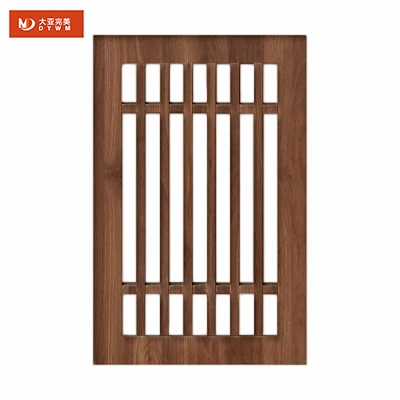
If you’re tired of the same old doors, if you’re looking for something that works better, looks better, and actually solves a problem, hit us up to chat about your project. Whether it’s a front entrance, interior door, barn door, whatever—we can make a glass door that fits your space, your needs, and your style. No pressure, no weird sales pitch, just real talk from a guy who’s been doing this for years and is sick of boring doors too.
Melamine Door References
- National Building Code of Canada. (2022). Glass in Buildings: Safety and Performance Requirements.
- U.S. Department of Energy. (2023). Energy Efficiency of Insulated Glass Units for Residential and Commercial Buildings.
- Glass Packaging Institute. (2021). Types of Tempered and Laminated Glass for Architectural Applications.
- Noise Control Foundation. (2022). Sound Transmission Loss of Architectural Glass Materials.
One May Dee Show Furniture Co., Ltd.
As one of the most professional doors manufacturers and suppliers in China, we’re featured by quality products and good price. Please rest assured to wholesale cheap doors made in China here and get quotation from our factory. Customized orders are welcome.
Address: Laomiao Village, Dacheng Town, Sanyuan County, Xianyang City, Shaanxi Province, China.
E-mail: trade@omdoor.com
WebSite: https://www.omdoor.com/
