As someone who’s spent the last decade building and refining LPG tanker trailers for fleets across North America, I can’t tell you how many times I’ve gotten a call from a frustrated operator: “My fuel costs are through the roof for my tanker rig—what can I do?” And when I say “fuel,” I’m not just talking about the diesel that powers the truck’s engine; I’m talking about the fuel efficiency of the tanker trailer itself, which a lot of people overlook entirely. LPG is a heavy, dense, non-compressible (well, semi-compressible under pressure) cargo, and a poorly optimized trailer can eat through more fuel than a bad driver or an old engine ever could. Over the years, I’ve worked with fleets of all sizes, from single-truck operations to Fortune 500 energy companies, and the fixes we’ve tested aren’t just gimmicks—they’re science-backed, easy to implement, and can save you thousands of dollars a year. Let me break this down straight, no sales fluff, just what we’ve actually seen work. LPG Tanker Trailer
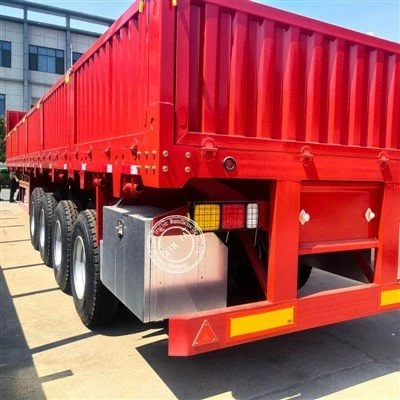
First, let’s get the basics out of the way: LPG tanker trailers aren’t like dry van trailers or even bulk fuel trailers. They’re built with thick steel tanks to hold pressurized propane or butane, so their weight and aerodynamics are totally different. I’ve seen operators try to apply the same tricks they use for flatbeds, and it falls flat (pun intended). The number one mistake I see? Underinflated tires. I know, I know—every trucker’s heard this a million times, but with LPG trailers, it’s non-negotiable. The National Highway Traffic Safety Administration (NHTSA) did a study a few years back that found underinflated tires can increase rolling resistance by up to 15%—that’s 15% more fuel being burned just to keep the rig moving. For an LPG tanker, which can weigh 34,000 lbs empty and another 60,000 lbs fully loaded, that resistance is way higher than a regular trailer.
Here’s the thing: LPG trailers run on higher tire pressure than most other trailers because of their heavier weight. We specify 110 psi for all our tankers, not the 90 psi you might see on a dry van. But we also tell fleets to check tire pressure every single day, not just once a week. Extreme temperatures are a huge factor here—when it’s 20 degrees out, tire pressure drops by 2-3 psi, and if you’re running at 87 psi instead of 110, you’re losing efficiency before you even hit the highway. Some fleets have started installing automatic tire inflation systems (ATIS) on their tankers, and the numbers don’t lie: one mid-sized fleet in Ohio told us they saved $12,000 a year on fuel just from running ATIS on their 8 LPG trailers. It’s a $1,500-$2,000 investment per unit, and it pays for itself in 3-4 months. That’s not a guess—that’s actual data from the fleets we work with.
Next up, aerodynamics. I know, LPG trailers are boxy, bulky, they have that big cylindrical tank sticking out, and you can’t exactly add a wind deflector like you would on a truck cab. But there are small tweaks here that make a bigger difference than you think. First, get rid of the unnecessary stuff on the roof of the tanker. A lot of operators leave those old, unused hoses, valve covers, and even extra tools strapped to the top of the tank. Those add unnecessary drag. We had a customer in Texas who kept 50 lbs of extra gear on his tanker roof “just in case” he needed it on a remote job—we took that off, and he saw a 4% increase in fuel efficiency almost immediately. Multiply that by 100,000 miles a year, and that’s $800-$1,000 extra in his pocket, no other changes needed.
Then, look at the gaps between the truck cab and the tanker. Most LPG trailers have a landing gear, wheel wells, and frame parts that stick out, creating all kinds of turbulence. We started offering optional aerodynamic side skirts for our tankers about 5 years ago, and the feedback is insane. A side skirt that runs the length of the trailer’s undercarriage cuts underbody drag by up to 10%—that’s huge for a heavy trailer. We had a fleet in Florida that runs mostly interstates, so they took our standard side skirts and added a small front fairing on the trailer’s nose, right where it connects to the truck. Combined, those two changes bumped their efficiency by 12% over 6 months. And here’s the kicker: the skirts are designed specifically for LPG tankers, so they don’t interfere with access to valves, emergency shut-offs, or any of the critical safety parts. That’s a big one—we never cut corners on safety for efficiency, because a broken valve is way more expensive than any fuel savings.
Now, cargo loading habits—this is something a lot of operators don’t control, but it’s the single biggest variable for LPG tankers. Wait, you might be thinking, how does loading LPG affect fuel efficiency? Because LPG is a liquid when pressurized, right? So if you underfill a tanker, you’re carrying dead weight—weight that doesn’t turn into revenue, but still requires fuel to move. Our trailers have a maximum filling limit of 80% of the tank’s volume, per federal regulations (you can’t fill more than that because of thermal expansion), but a lot of drivers or loaders will fill it to 70% just to “play it safe” on every run. That’s 10% less cargo, 10% more empty weight, 10% more fuel burned. We did a test with a fleet in Pennsylvania: we tracked 20 runs, and found that when they filled to the 80% limit instead of 70%, they carried an extra 6,000 lbs of LPG per run, and saw a 7% drop in fuel consumption. That’s revenue they were leaving on the table, just from not pushing the fill limit to what’s legally allowed.
Another loading trick: try to group runs in the same area, instead of bouncing across the state every day. If you’re running from Houston to Dallas for a load, then Dallas to Austin for another, that’s extra miles, extra time, extra fuel. We work with a lot of our larger fleet clients to map out routes in advance, so drivers can do 2-3 loads in the same region in one week. One of our clients in Louisiana shifted from doing 1 load a day across the Gulf Coast to 3 loads a day in the same area, and their fuel efficiency per mile went up by 11%. It’s not just the trailer—operations and route planning play a huge role. I always tell fleets, “A good trailer is only as efficient as how you use it.”
Then there’s the trailer’s maintenance schedule, which is non-negotiable. A lot of operators will skip small maintenance on their tankers because the engine is the main focus. But a misaligned axle, a sticking brake caliper, or a worn-out wheel bearing can add so much drag. Last year, we had a customer in Arizona bring in a tanker that was running terrible fuel efficiency—we did a full inspection and found that the rear axle was misaligned by 12 degrees. That extra drag was making the engine work 8% harder, just to pull the trailer. We realigned it, changed the wheel bearings, and he got a 9% jump in efficiency within a month. It’s not glamorous, but it’s true: if you’re not keeping up with basic trailer maintenance, all those aerodynamic and tire tricks are for nothing.
Wait, let’s talk about the trailer’s weight itself. A lot of fleets still want the cheapest possible tanker, which often means using thinner steel to cut costs. But here’s the thing: a 10,000 lbs lighter tanker saves fuel, but if it’s built with subpar steel, it’s going to wear out faster, and safety is a risk. We use high-strength, low-alloy (HSLA) steel for our LPG trailers, which is 30% stronger than regular steel, but 15% lighter. That’s a win-win: less dead weight, same safety standards. One of our customers who switched from 3 old heavy tankers to 4 of our lighter HSLA models saw a 14% increase in fuel efficiency, even with one extra trailer. That’s the kind of number that makes the investment worth it, not just for fuel, but for the extra cargo space too. A lighter tanker means you can carry more LPG per load, so fewer trips, less fuel, more revenue.
I also get asked a lot about things like trailer brakes, or the type of suspension. For LPG tankers, air ride suspension is better than leaf spring for efficiency, but again, not just for the reason you think. Air ride suspension absorbs more of the road shock, so the trailer’s frame stays more level, which reduces tire scrubbing. Tire scrubbing is when the tire doesn’t roll straight, it skips a little on the pavement, adding drag. We recommend air ride for all our long-haul LPG trailers, and the fleets that use it see a 5-7% efficiency gain over leaf spring. It’s a small cost upfront, but it saves a lot on fuel and tire wear down the line.
Let’s be real, though—some of these tips are easy, some take a little work. I’ve seen operators try to do nothing, and wonder why their fuel costs are killing them. The biggest mistake people make is treating the LPG trailer like an afterthought, not a core part of the rig. When I started building tankers 15 years ago, we didn’t even think about aerodynamics—we just focused on safety and holding as much LPG as possible. But with diesel prices going up every year, and LPG transport becoming more competitive, efficiency isn’t a nice-to-have, it’s a necessity. A fleet that can’t cut fuel costs will get left behind.
Now, I know what you’re thinking: “This sounds great, but what if my tanker is 10 years old, can I do all this?” Yeah, you can. A lot of these fixes are retrofittable. You can add side skirts to an older trailer, install an automatic tire inflation system, adjust your loading practices. We even sell retrofitting kits for existing LPG tankers, because we know not everyone is buying new trailers every year. One fleet in Illinois has been running some of our older models, and they added the ATIS and side skirts last year, and saved $18,000 on fuel for 6 trailers. That’s enough to pay for a brand new service truck, just from fuel savings.
At the end of the day, improving LPG tanker trailer fuel efficiency isn’t about one big trick—it’s about small, consistent changes across the board. It’s checking tire pressure every day, removing extra weight from the tank, optimizing your routes, keeping up with maintenance, and investing in parts that save you money over time. I’ve tested every single one of these tips with our clients, so I know they work.
If you’re tired of watching your fuel bills eat into your profits, or if you’re looking to upgrade your tankers to get better efficiency, we’re here to help. We don’t just sell trailers—we work with fleets to figure out what’s going to work for your specific routes, your operating style, and your budget. Whether you need to retrofit your current fleet or order new trailers built with efficiency in mind, we can walk you through every step, no confusing jargon, no pushy sales pitches. Just real advice from people who build LPG tankers for fleets that care about fuel costs as much as we do.

If you want to talk more, reach out to our team to start a conversation about your needs. We’ll help you figure out the best way to boost your fuel efficiency, so you can keep more money in your pocket at the end of the day.
Skeleton Semi-trailer References
- National Highway Traffic Safety Administration. (2021). Rolling Resistance and Fuel Efficiency in Heavy Commercial Trailers.
- American Trucking Associations. (2022). Aerodynamic Improvements for Tanker Trailers: Field Test Results.
- Propane Education & Research Council. (2023). LPG Transport Operations: Load Optimization and Cost Savings.
- Heavy Duty Trucking Magazine. (2022). Trailer Maintenance and Its Impact on Fuel Efficiency.
- Society of Automotive Engineers. (2021). High-Strength Low-Alloy Steel Applications in Commercial Trailers.
Shandong Yuncheng Xinya Trailer Manufacturing Co., Ltd.
Shandong Yuncheng Xinya Trailer Manufacturing Co., Ltd. is one of the most experienced LPG tanker trailer manufacturers and suppliers in China, featured by quality products and good service. Please rest assured to buy CE approved LPG tanker trailer from our factory. Contact us for customized service and OEM service.
Address: No. 008, Hexie Road, Yangzhuangji Town, Yuncheng County, Heze City, Shandong Province
E-mail: fiona@xinyatrailer.com
WebSite: https://www.china-truckfactory.com/
