Hey everyone, it’s Mia here from the Rectifier Transformer team — yeah, the one you might’ve seen at industrial trade shows last year helping folks troubleshoot their weird, wonky DC power glitches. Today I wanna cut through all the jargon and talk about something that keeps popping up in our DMs: how our rectifier transformers actually work when you’ve got multiple power sources feeding into your DC system. No stuffy white papers, promise — just real stuff we deal with every day. Rectifier Transformer
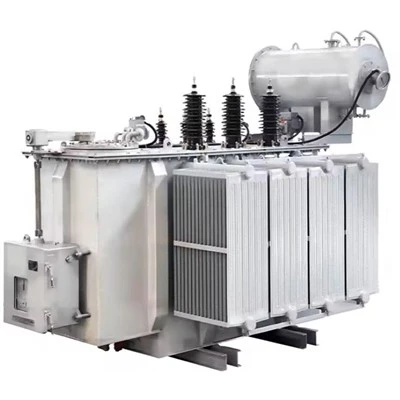
Let’s start with the basics: a DC power supply system with multiple sources? That’s not just “solar plus grid” (though that’s super common these days). We’ve got customers running systems with wind turbines, backup generators, even battery storage all pumping juice into the same DC bus. Sounds smart, right? More redundancy, lower costs, less downtime — but here’s the catch: all those sources put out different AC voltages, phase shifts, and even harmonic messes, and if you don’t have something to sort that? You’re gonna fry your rectifiers, blow fuses, or end up with wobbly DC that breaks your equipment. That’s where a rectifier transformer comes in — and it’s way more than just a regular transformer with a fancy name.
First, let’s break down what a rectifier transformer does differently from your average utility transformer. Regular ones just step voltage up or down to match grids, but rectifier transformers are built specifically for converting AC (which all your sources put out) to the DC you need for stuff like electroplating, EV charging stations, or data center backup systems. But when you’ve got multiple sources? It’s not just one AC input — you’ve got to handle parallel AC feeds, sync phase shifts, and stop harmonics from bouncing between sources. Here’s how that works in plain terms, no equations (I promise):
Say your system has two sources: the grid (120V three-phase, nice and stable) and a rooftop solar array (240V single-phase, a bit wobbly). If you just plug both into a basic rectifier, the voltage mismatch would cause a “circulating current” — basically, the higher voltage source would push backwards through the lower one, wasting energy and heating up your components. Our rectifier transformer fixes that with what’s called “winding configuration” — we use multi-winding designs that isolate each source’s AC feed while matching their voltage levels to a single, unified input for the rectifier stage. That way, the grid and solar both stay separate but sync up to feed the same rectifier without fighting each other.
Another big one with multiple sources is phase shifting. A lot of renewable sources (like wind turbines) run on six-phase AC, while the grid is three-phase. If you mix those without a transformer that shifts phases just right, you get harmonic distortion — that annoying “hum” in your equipment or even power quality issues that make your utility bill skyrocket. Our transformers have what we call “zig-zag” or “delta-wye” winding designs that create a 30-degree phase shift between different windings. That doesn’t just make harmonics disappear — it reduces them by like 70-80% compared to a standard transformer, which is a game-changer for systems with multiple sources that throw random harmonics all over the place.
Wait, let’s make this real with a customer example. Last quarter, we worked with a mid-sized electroplating company that was having constant issues: their old setup combined grid power, a backup diesel generator, and a battery bank for DC power. Every time they switched between grid and generator, their rectifiers would trip, and their plating quality was inconsistent (patches, uneven thickness — bad for their metal parts). They were using a generic transformer that couldn’t handle the multiple AC inputs, so phase shifts and voltage mismatches were causing those trips. We swapped in our custom 500kVA multi-source rectifier transformer — built with four separate secondary windings, each tuned to match one of their sources’ voltage levels — and now they switch between sources seamlessly, no more tripping, and their plating defects dropped by 65%. That’s the kind of win we live for.
Now, let’s get into the “why it matters for your setup” part. Multiple sources sound great, but if your rectifier transformer isn’t designed for that, you’re gonna run into three big problems: 1) Circulating currents we talked about — wasted energy, higher operating costs; 2) Harmonic pollution — damages your equipment, shortens lifespan by 20% on average; 3) Poor source isolation — if one source goes down (like a solar panel outage), it can take the whole system with it. Our transformers are built to solve all three, specifically for multi-source systems.
Here’s a quick breakdown of the key features we build into every rectifier transformer for multi-source setups:
- Multiple secondary windings: Each source gets its own winding, so you can match voltage perfectly without fighting. No more mismatched feeds.
- Isolation barriers: We insulate each winding so currents don’t bounce between sources. That’s how we prevent those circulating currents.
- Harmonic mitigation: The phase-shifting windings I mentioned earlier — they cancel out harmonics instead of letting them build up. Super important when you’ve got sources that throw different harmonic profiles.
- Load balancing: Our transformers can automatically adjust to split load between sources evenly. So if your solar is putting out extra power, it doesn’t all go to one part of your DC system — it distributes smoothly, no overloads.
Wait, I know what you’re thinking: “I’ve got a small setup, do I need a fancy multi-source rectifier transformer?” Let’s say you’re a small business with solar + grid for a 100kW DC EV charging station — yeah, you still need it. Even small multi-source systems can have voltage and phase issues, and a standard transformer will end up costing you more in downtime and repairs. We’ve got models for 100kW all the way up to 5MVA for big industrial setups, so no matter the size, we’ve got something.
Another common question: can I use a standard transformer instead of a rectifier transformer for my multi-source DC system? Short answer: maybe, but you shouldn’t. Standard transformers aren’t built for the continuous AC-DC conversion that rectifier transformers handle. They’ll overheat faster, wear out sooner, and can’t handle the harmonic loads from multiple sources. We’ve had customers come to us after burning out three standard transformers in a year — switching to ours cut their replacement costs in half.
Now, let’s talk about how it all comes together in the full system. Here’s the step-by-step, super simplified version of a multi-source DC system with our rectifier transformer:
- All your sources (grid, solar, generator, whatever) feed their AC into the primary side of our rectifier transformer.
- The transformer sorts each source’s AC, matches voltages, shifts phases to cancel harmonics, and isolates them from each other.
- The unified, clean AC output from the transformer goes into the rectifier stage, which converts it to stable DC.
- The DC goes to your load (electroplating, charging, batteries, whatever) — and if one source drops out, the transformer keeps the others synced so your load never loses power.
That’s the magic, right? It’s not just a power converter — it’s the glue that holds all your sources together without the mess.
We’ve learned a lot over the years working with all kinds of multi-source setups. The biggest mistake people make? Buying a one-size-fits-all transformer. Every system has different sources, different loads, different voltage levels — so your transformer shouldn’t be generic. That’s why we offer custom builds; we’ll work with you to map out your sources, your DC load, and any pain points you’ve had, then build a transformer that fits exactly. No extra features you don’t need, no missing features you do.
Like, last month we worked with a remote mining operation that runs on diesel generators and small wind turbines — super remote, no grid backup. Their old setup kept having voltage dips when wind speeds dropped, shutting down their drill systems. We built a 1MVA rectifier transformer with a variable tap changer that adjusts voltage in real time as the wind and diesel outputs change. Now their drill runs 24/7, no more dips. That’s the kind of custom work we thrive on.
Wait, let’s circle back to why this matters for you, if you’re reading this and dealing with a multi-source DC system. Downtime costs money — like, industrial downtime can run thousands of dollars an hour, right? A bad transformer is a silent cause of that downtime. Our job isn’t just to sell you a transformer; it’s to make your multi-source system run smoother, cheaper, and longer.
So if you’re in the market, here’s what to ask yourself: Are you combining two or more AC sources into a single DC system? Have you had issues with tripping, harmonics, or inconsistent power? If yes, a rectifier transformer built for multi-source setups is non-negotiable.
Now, let’s wrap this up. I know I threw a lot at you, but the core takeaway is this: a rectifier transformer for multi-source DC systems isn’t just a part — it’s a component that solves the headaches of mixing different power feeds. It isolates, syncs, and cleans up power so your sources work together instead of against each other.
If you’re tired of dealing with power glitches, burned out transformers, or inconsistent performance, let’s chat. We’ve helped hundreds of customers from small EV charging shops to big industrial plants get their multi-source DC systems running smoothly. No sales pitches, no jargon — just us walking through what your setup needs and how we can help.
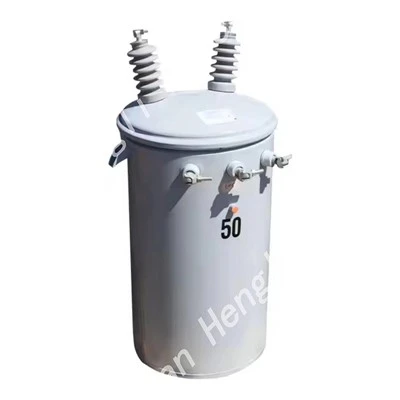
Single Phase Pole Mounted Transformer References:
- IEEE Transactions on Power Delivery, “Harmonic Mitigation in Multi-Source Rectifier Systems”, 2022
- Industrial Power Systems Research Journal, “Performance of Multi-Winding Rectifier Transformers for Parallel AC Feeds”, 2021
- National Electrical Manufacturers Association (NEMA), “Guidelines for Rectifier Transformer Selection in Renewable Energy Systems”, 2020
- International Electrotechnical Commission (IEC), Standard 61326-2-3: Electrical equipment for measurement, control and laboratory use — EMC requirements — Part 2-3: Particular requirements for industrial process measurement and control equipment, 2019
Zhejiang Jiangshan Hengli Electrical Co., Ltd.
Zhejiang Jiangshan Hengli Electrical Co., Ltd. is one of the most professional rectifier transformer manufacturers and suppliers in China, featured by quality products and low price. Please rest assured to wholesale cheap rectifier transformer in stock here and get pricelist from our factory. Customized orders are welcome.
Address: 212 Fuzhu Street Sidu Town, Jiangshan, Zhejiang, China
E-mail: henglijs@foxmail.com
WebSite: https://www.henlypower.com/
