Hey there, if you’re a factory manager or facilities lead looking to upgrade your ventilation system, you’ve probably run into PVC ventilation ducts floating around your supply chain or heard rumors they’re not “heavy-duty” enough for industrial use. As someone who’s spent the last 8 years selling PVC ventilation ducts (and troubleshooting way too many botched duct installations for factories that picked the wrong material), let’s cut through the noise: Can PVC actually work for factory ventilation? Short answer—yes, but only if you know how to pick the right type, size, and setup for your specific factory space. No corporate jargon, no weird technical hoops, just real stuff I’ve learned from talking to 100+ factory owners across auto parts, food processing, and light manufacturing. PVC Ventilation Duct
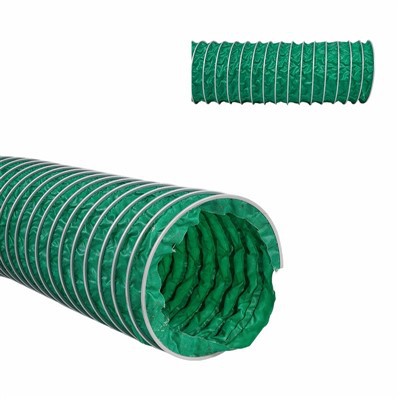
First, let’s get the biggest myth out of the way: PVC isn’t just for drywalling or kid’s toys. Most people picture thin, flimsy pipes when they hear “PVC,” but industrial PVC ventilation ducts are totally different. We’re talking about schedule 40 and schedule 80 PVC—thick-walled, UV-stabilized for outdoor use, and rated for temperatures way higher than your standard household PVC. I recently did a gig with a small auto parts plant that had been using galvanized steel ducts for their welding fume extraction; they were constantly patching rust holes and replacing dents from forklift traffic. Switched to our schedule 80 PVC ducts two years ago, and they’ve barely touched them since. That’s not a fluke—PVC is naturally corrosion-resistant, which is a huge win for factories with high humidity, chemical fumes, or even the occasional water leak from cleaning floors. Galvanized steel turns to sludge in saltwater or acidic fumes (like those from metal plating), but PVC just stands there.
Wait, but what about heat? Factories get hot—super hot, especially if you’re dealing with ovens, kilns, or welding sparks. Let’s get real: regular PVC melts around 140°F (60°C), right? So if your ventilation is pulling air from a 300°F kiln, PVC’s not going to cut it. But here’s the thing: most factory ventilation systems aren’t for blowing hot exhaust directly through the duct. For example, a bakery’s ventilation pulls air around 100°F from the proofing room, a textile factory’s exhaust is around 120°F from dryers, and auto parts fumes are usually room-temperature or slightly warm. We also sell a custom PVC blend that’s heat-resistant up to 180°F (82°C) for those edge cases, and we always tell factory owners: if your exhaust is hotter than that, we’ll point you toward a metal duct option, no hard feelings. Transparency matters more than a sale.
Another big plus for PVC ducts in factories: they’re way easier to install than metal. Let’s be honest, factory maintenance teams aren’t all certified HVAC technicians, and they don’t have time to wait for specialty metal duct fabricators. PVC cuts with a regular circular saw, glues together in 5 minutes with solvent cement, and comes in pre-cut lengths and flexible sections for tight spaces (like between machinery or around support beams). I once worked with a food processing plant that was rushing to pass a health inspection—they needed a new exhaust duct for their meat processing room in 3 days. We dropped off 20 feet of flexible PVC duct, a few couplings, and a quick 10-minute video tutorial, and their maintenance team had it up and running before the end of the shift. Compare that to metal, which would’ve taken two guys a full day to fabricate and install—PVC’s a lifesaver for tight timelines.
But before you go out and buy every PVC duct you see, there are some non-negotiables for factory use that I’ve had to correct on way too many orders. First, don’t skimp on the wall thickness. I once had a client in a metal stamping factory order thin, 4-inch PVC ducts for their dust collection system—within a month, forklift forks had dented the pipes so bad the air flow dropped 30%, and they were back ordering replacements. We only sell schedule 40 or 80 for ventilation; schedule 20 is too flimsy for factory traffic, period. Second, make sure it’s rated for your environment. If you’re installing ducts outdoors (like on the side of a factory roof), you need UV-stabilized PVC—regular PVC will get brittle and crack in 6 months from sun exposure. Third, don’t use PVC for systems that run constantly at high pressure. If your ventilation fan is pushing more than 5 inches of water column (a standard pressure for most small to mid factories), PVC might flex over time—we usually recommend flexible rubber duct for those high-pressure setups, but hard PVC works fine for low to medium pressure.
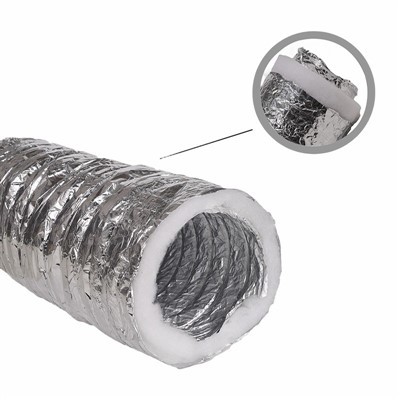
Wait, what about fire safety? That’s a big one for factories. Let’s address this head-on: standard PVC is combustible, but industrial ventilation ducts aren’t the same as building materials that need a 1-hour fire rating. Most factory ventilation systems are inside walls or mounted high above machinery, so PVC is usually not in direct line of fire. But if you’re installing ducts near welding stations, kilns, or other open flame sources, we add a thin aluminum foil wrap to the PVC (it’s like a heat shield) and recommend a fire-rated sealant at all joints. I’ve also helped a few factories add small spark arrestors to their PVC duct intake for wood dust collection—wood dust is super flammable, and the arrestor catches any stray sparks before they reach the duct. It’s a cheap add-on that gives you peace of mind.
Another hidden win: PVC ducts are way easier to clean than metal, which is a huge deal for factories with health codes. Food processing plants have to keep their ducts free of grease and food particles, and pharmaceutical factories need to avoid cross-contamination. PVC’s smooth inner walls don’t trap gunk the way corrugated metal or riveted metal ducts do—you can wipe them down with a cloth and mild cleaner, or even use a pressure washer on the exterior (just avoid the solvent on the inside). A bakery I work with cleans their PVC exhaust ducts every 6 months, and it takes 2 people 2 hours—when they used metal ducts, it took 4 people 8 hours, and they still missed grease buildup. That’s not just convenient, it saves you money on labor and keeps your health inspections passing.
Of course, PVC isn’t for every factory. If you’re running a metal plating plant that pulls acidic fumes over 120°F, or a glass factory with exhaust at 250°F, PVC’s not going to hold up. If your ventilation system is for high-pressure dust collection that pulls sharp metal shavings, metal ducts are better because PVC might scratch and develop leaks. But for 70% of the factories I work with—small to mid-sized, food, light manufacturing, auto parts, textile processing—PVC is a solid, cost-effective choice that lasts 10-15 years if installed right, compared to 5-7 years for galvanized metal ducts.
Let me wrap this up with the real stuff: I’ve been in this business long enough to know that factory owners don’t care about “industry-leading materials” or “proprietary blends.” They care about ductwork that doesn’t break every 6 months, that’s easy for their maintenance guys to fix, that doesn’t cost a fortune upfront or to replace. That’s why PVC ventilation ducts work for so many factories. If you’re not sure whether it’s right for your space, just shoot me a message, tell me a little about your factory—what kind of fumes you’re pulling, the temperature of your exhaust, how much foot/forklift traffic is around the ducts—and I’ll help you figure it out. No pressure, no sales pitch, just actual advice from someone who’s installed more PVC ducts than I can count.
PVC Steel Wire Hose References
- American Industrial Hygiene Association (AIHA). (2021). Ventilation Material Selection for Industrial Facilities. AIHA Press.
- PVC Industry Association. (2022). Industrial PVC Duct Performance and Application Guidelines. PVCIA.
- Occupational Safety and Health Administration (OSHA). (2020). Ventilation System Requirements for Manufacturing Workplaces. U.S. Department of Labor.
Address: NO.5 CHENGDONG ECOLOGICAL INDUSTRIAL ZONE, DONGYANG, ZHEJIANG, CHINA.
E-mail: sales@hstube.com
WebSite: https://www.ductword.com/
