Hey there, it’s Jake from your go-to Industrial Panel PC (IPC) supplier – you know, the folks who actually get how much your operations rely on those boxy, tough little computers that run everything from assembly lines to warehouse scanners. If you’re here because your IPCs feel sluggish, crash mid-shift, or can’t keep up with the work your plant’s throwing at them, you’re in the right spot. I’ve been working with these things for over a decade, and trust me, optimizing their performance isn’t just about swapping parts or running a random antivirus scan. It’s the kind of practical, day-to-day tweaks that’ll make your IPCs run smoother longer, so you don’t have to deal with the panic of a production line grinding to a halt because one unit pooped out. Industrial Panel PC
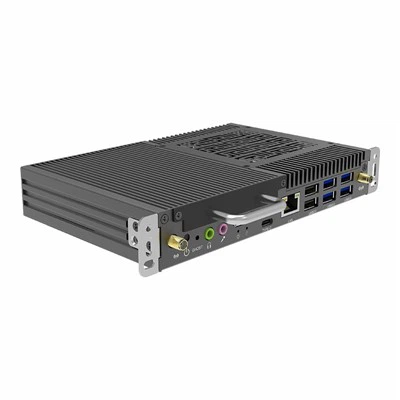
First off, let’s cut the crap: most people think “optimizing” means upgrading to the newest, shiniest IPC money can buy. Sure, sometimes that’s needed, but 90% of the time, it’s the small, consistent habits that make the biggest difference. I’ve had customers come to me with 5-year-old IPCs that still run like champs because they did the basics right, vs. guys who dropped a ton on a top-of-the-line unit and ran it like a storage closet for unneeded files, and it died in 2 years. Let’s start with the stuff everyone overlooks because it feels too simple.
Let’s talk cooling – this is non-negotiable. IPCs run in environments that’d make your office PC throw a fit: dusty factories, hot warehouses, cold loading docks. Most standard consumer PCs have fancy fans and big heat sinks, but IPCs are built to be rugged, not to handle a bunch of gunk clogging their cooling system. Here’s the thing: if your IPC’s intake vents are covered in metal shavings from a milling machine, or dust from a packaging line, the fan has to work twice as hard just to keep it from overheating. Overheating is the #1 killer of IPC performance and longevity, period. I tell every customer of mine to do a visual check every 2 weeks, and a deep clean every quarter. But wait – don’t just blast it with a compressed air can like you would your home keyboard. Industrial dust is way coarser, and blowing it too hard can push debris deeper into the motherboard, or even bend those tiny pins on the RAM or storage. Take the unit out of service (obviously, lock it out/tag it for safety if it’s on a production line), use a soft, lint-free microfiber cloth to wipe the vents, and if you need to get in there, use low-pressure compressed air (like 30 PSI max) and hold the can at least 6 inches away, moving it slowly so you don’t stir up dust that’ll settle back. Also – make sure the fan isn’t making weird noises. If it’s squeaking or rattling, replace it pronto. A $20 fan is way cheaper than a $1,000 IPC replacement, not to mention the downtime.
Next up, storage. Most IPCs these days use solid-state drives (SSDs) instead of old hard disk drives (HDDs), which is a huge upgrade for speed, but they still need maintenance. I see so many units with 90% of their SSD space taken up by old temp files, leftover software from a job that was done 2 years ago, or even duplicate files from a team that just copied stuff over and forgot to clean up. Why does that matter? SSDs use something called “over-provisioning” – basically, a portion of the drive’s space that’s unused to help it write data faster and last longer. If you fill that up entirely, the SSD has to work way harder, which slows it down and shortens its lifespan. I recommend keeping at least 15-20% of the SSD free at all times for that over-provisioning to work correctly. Also, skip the old defrag thing – defragging SSDs actually wears them out faster. Instead, enable TRIM on Windows (most modern IPC OS versions have this on by default, but double-check) and run a disk cleanup tool every month to get rid of temp files, recycle bin stuff, and old update files. If you have an HDD (some legacy IPCs still use ‘em, though we don’t recommend that), do a disk check every month to fix bad sectors – a sector that’s gone bad will slow down the whole drive until you replace it or mark it bad.
Now, software. This is where I see the most mistakes. A lot of teams will load their IPC up with every random tool they think they might need, just in case. Oh, we might need a video editor? Throw that on. What about a PDF tool? Yeah, install that too. Next thing you know, the IPC is running 10 background apps you never use, sucking up RAM and CPU, and slowing down everything. My rule of thumb for every IPC I sell: zero bloatware. Only install the software you actually use on a daily basis for your operations. No extra games, no unneeded utilities, no trial software that expires and just sits there taking up space. Also, update your OS and your industrial software regularly, but here’s a catch – don’t do updates during a critical shift. I’ve seen customers crash a whole production line because they let a Windows update install during the middle of a run, and it rebooted the whole IPC without warning. Schedule updates for nights, weekends, or scheduled downtime when you’re not running anything important. Another thing: antivirus. You need it, but make sure it’s set up right. A lot of industrial antivirus tools are built for IPCs specifically, not consumer ones that scan every single file 10 times a minute. If you’re running a consumer antivirus, that’s going to use way too many resources, slowing down your IPC. Stick to industrial-grade security, and schedule scans during low-activity times, not while the line’s running.
RAM upgrades – a lot of people wait too long to do this, or do it wrong. First, figure out how much RAM your IPC actually needs, not what the manufacturer says is “enough”. If your IPC is running a big SCADA system, or multiple HMI screens, or processing data from 10 different sensors at once, you’re going to need more RAM than if it’s just running a simple control program. A good way to check is to look at the task manager on your IPC during peak operation. If you’re using 80% or more of your RAM all the time, that’s a problem. You’ll start seeing lag, crashes, even applications freezing up mid-task. When you upgrade RAM, make sure you get the right type for your IPC – not just any RAM off Amazon. IPCs use specific ruggedized RAM that can handle temperature swings and vibration, and mixing mismatched RAM can cause instability. If you’re not sure, send me the model number of your IPC, and I’ll help you pick the right one – that’s what we’re here for, right?
Vibration and mounting – this is something a lot of guys overlook because they think “IPC is rugged, it can handle vibration”. Yeah, but constant vibration from a conveyor belt, a stamping press, or even a forklift driving by can loosen parts over time. Loose RAM, loose storage, loose cables – all of that leads to performance issues. I always recommend mounting your IPC in a vibration-dampening mount, specifically rated for industrial use. Don’t just bolt it straight to the wall or the machine, because that’ll transfer every little vibration straight to the components. Also, check all the connections every month – power cables, Ethernet cables, USB devices, even the RAM modules and SSD. A loose Ethernet cable can cause data transfer delays, which will make your IPC seem slow when it’s just a bad connection. If you have any external devices plugged into the IPC (like scanners, barcode readers, or sensors), make sure they’re high-quality, industrial-grade ones too. Cheap consumer sensors can send bad data that makes the IPC work harder to process it, leading to lag or errors.
Temperature control for the whole enclosure, not just the IPC. Wait, I mentioned cooling the IPC itself, but the whole enclosure it’s in matters too. If your IPC is sitting in a sealed cabinet that’s 120 degrees Fahrenheit in the summer, even if the IPC’s fan is working, it can’t dissipate heat properly. If your cabinet has vents, make sure they’re not blocked, and if you’re in a super hot or cold environment, get an enclosure heater or air conditioner specifically made for industrial enclosures. Consumer AC units won’t hold up in a factory, trust me – I’ve seen too many of those die in 6 months because they can’t handle the dust and temperature swings. Another trick: make sure your IPC isn’t sitting right next to other heat-generating equipment, like welders, ovens, or big motors. That’s just adding extra heat to its already tough job.
Let’s talk about overloading the IPC’s tasks. This is a big one for guys who start adding more and more features over time. Like, you bought an IPC just to run your assembly line control, then a year later you decide you want to add data logging, then HMI screens, then a connection to your ERP system, and suddenly you’re asking the same IPC to do 4 jobs it wasn’t designed for. If you’re constantly seeing your IPC spike to 100% CPU usage during shifts, that’s a sign it’s time to either optimize its tasks or upgrade. Sometimes you don’t need a whole new IPC – you can offload some tasks to a separate device, or use virtualization to split the workload between two partitions, so one partition is for control, another is for data logging, etc. Virtualization is super common in industrial settings these days, but you have to make sure your IPC has the processing power and RAM to handle it. Again, if you’re not sure, just reach out – we help customers figure this out all the time, no pressure.
Wait, one more thing about software: disable any unnecessary startup programs. A lot of apps set themselves to run automatically when the IPC boots up, even if you never use them. So every time you restart the IPC (which you should do once a month, by the way – just like your phone, a restart clears out temp glitches), you’re waiting 5 minutes for 10 apps to load, when you only need one. Go into your startup settings and turn off anything that doesn’t need to run at boot. That’ll cut down on startup time and free up resources during operation.
Let’s circle back to the myth I mentioned earlier: “my old IPC is too slow, I need a new one”. I had a customer last year with a 7-year-old IPC that was lagging so bad during their night shift, they were making mistakes on the packaging line. They were ready to drop $5,000 on a new top-of-the-line unit. Instead, I had their maintenance team do four things: deep clean the cooling vents, free up 25% of the SSD space, disable 12 startup programs they never used, and upgrade their RAM from 4GB to 8GB. The IPC ran as good as new for another 3 years, and they didn’t have to spend a dime on a new unit. That’s the kind of stuff we live for – helping our customers get the most out of their existing equipment, instead of throwing money at replacements right away.
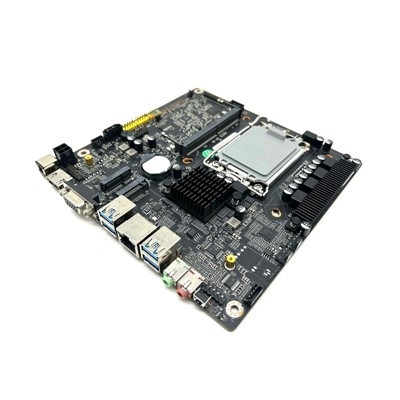
Of course, there are times when you do need to upgrade. If your IPC is 10+ years old, it might not support newer software that you need to run for compliance or better efficiency. Or if you’re adding new, more demanding features, like AI-based quality inspection or real-time analytics, that’ll require a more powerful processor and more RAM. When you do upgrade, don’t just go for the highest specs – talk to someone who knows industrial IPCs, not just consumer computers. Consumer specs are for gaming, not 24/7 operation in a dusty factory. Industrial IPCs are built for 50,000+ hours of operation, so you need to make sure any upgrade is ruggedized for your environment.
HJS OPS-C Here’s the thing: optimizing your industrial panel PC isn’t a one-time job. It’s a monthly, quarterly routine that takes less time than you think, and it saves you so much headache (and money) down the line. No more unplanned downtime, no more panics when the line slows down, no more wasting money on replacements when a few simple tweaks will do the trick. We’ve been helping industrial facilities of all sizes – from small machine shops to big automotive plants – get their IPCs running at peak performance for over a decade. If you’re noticing lag, crashes, or your current setup just isn’t cutting it, we can help you audit your system, figure out exactly what’s slowing you down, and give you a plan to optimize it, whether that’s small tweaks to your existing IPC or a new rugged unit that fits your needs. No sales pitch, no confusing jargon – just straight talk and solutions that work for your operations. Shoot us a note, and we can walk you through it.
References
- Industrial Technology Research Institute. (2022). Performance Optimization Guidelines for Rugged Industrial Panel PCs.
- International Society of Automation (ISA). (2021). Maintenance Best Practices for Industrial Computing Equipment.
- Samsung Semiconductor. (2020). SSDs in Industrial Environments: Over-Provisioning and Longevity.
- Microsoft Corporation. (2023). Windows for Industrial Systems: Optimization and Security Settings.
- Allen-Bradley. (2022). Vibration and Mounting Recommendations for Industrial HMI/IPC Devices.
Shenzhen HJS Technology Group
Shenzhen HJS Technology Group is one of the most experienced industrial panel pc manufacturers and suppliers in China, featured by quality products and good service. Please rest assured to buy CE approved industrial panel pc made in China here from our factory. For price consultation, contact us.
Address: F10, Wanhe Technology Building C, No. 7 HuiTong Road, Fenghuang Street, Guangming New District, Shenzhen. China.
E-mail: info@hjs-pc.com
WebSite: https://www.hjs-pc.com/
