Hey there! I’m a supplier of heat exchanger tubes, and over the years, I’ve seen my fair share of problems with these things. Heat exchanger tubes are super important in a bunch of industries, like power generation, chemical processing, and HVAC. But when they start acting up, it can really mess things up. So, in this blog, I’m gonna share some tips on how to troubleshoot problems with a heat exchanger tube. Heat Exchanger Tube

1. Check for Leaks
One of the most common problems with heat exchanger tubes is leaks. Leaks can happen for a bunch of reasons, like corrosion, erosion, or mechanical damage. To check for leaks, you can do a pressure test. First, make sure the heat exchanger is shut down and isolated from the system. Then, fill the tube side with a test fluid, usually water, and apply pressure. Monitor the pressure gauge for any drops. If the pressure drops, it’s a good sign that there’s a leak.
You can also use a dye penetrant test. Apply a colored dye to the outside of the tubes. If there’s a leak, the dye will seep into it. Then, clean the surface and apply a developer. The dye will show up as a colored indication where the leak is.
Another way is to use ultrasonic testing. Ultrasonic waves can detect small flaws and leaks in the tubes. A trained technician can use a handheld ultrasonic device to scan the tubes and identify any areas of concern.
2. Look for Fouling
Fouling is another big issue with heat exchanger tubes. It’s when stuff like dirt, sediment, or biological growth builds up on the inside or outside of the tubes. This can reduce the heat transfer efficiency and cause the pressure drop across the tubes to increase.
To check for fouling, you can visually inspect the tubes if they’re accessible. Look for any signs of discoloration, thickness of deposits, or a rough surface. You can also measure the pressure drop across the tubes. If the pressure drop is higher than normal, it could be due to fouling.
There are a few ways to clean fouled tubes. Chemical cleaning is one option. You can use special cleaning agents to break down and remove the deposits. Make sure to follow the manufacturer’s instructions and safety precautions when using chemicals.
Mechanical cleaning is another option. This can involve using brushes, scrapers, or high – pressure water jets to physically remove the fouling. It’s a bit more labor – intensive but can be very effective.
3. Check for Tube Plugging
Sometimes, tubes can get completely plugged. This can be caused by large debris getting into the system, or by the fouling building up to the point where it blocks the tube.
To detect tube plugging, you can again measure the pressure drop. A significantly high pressure drop might indicate plugged tubes. You can also use flow meters to measure the flow rate through the tubes. If the flow rate is much lower than it should be, there could be plugging.
If you find plugged tubes, you can try to clean them using the same methods as for fouling. But if the tubes are severely plugged, you might have to replace them.
4. Evaluate Corrosion
Corrosion is a major problem for heat exchanger tubes, especially in harsh environments. There are different types of corrosion, like uniform corrosion, pitting corrosion, and stress – corrosion cracking.
To check for corrosion, you can visually inspect the tubes. Look for rust, holes, or any signs of material loss. You can also use non – destructive testing techniques like eddy – current testing. Eddy – current testing can detect changes in the electrical conductivity of the tube material, which can be a sign of corrosion.
If you find corrosion, the first step is to identify the cause. It could be due to the type of fluid flowing through the tubes, the pH level, or the presence of certain chemicals. Once you know the cause, you can take steps to prevent further corrosion. This might involve using corrosion – resistant materials for tube replacement, or adding corrosion inhibitors to the fluid.
5. Analyze Vibration
Vibration can cause a lot of problems with heat exchanger tubes. It can lead to tube wear, fatigue, and even tube failure. Vibration can be caused by things like fluid flow inside the tubes, pump operation, or external sources like nearby machinery.
To detect vibration, you can use vibration sensors. These sensors can measure the amplitude and frequency of the vibrations. If the vibration levels are too high, it’s a concern.
You can try to reduce vibration by making sure the heat exchanger is properly installed and supported. You can also adjust the flow rate or the pump settings to reduce the sources of vibration.
6. Consider the Tube Material
The material of the heat exchanger tube can also play a big role in troubleshooting. Different materials have different properties, like corrosion resistance, thermal conductivity, and strength.
If you’re having problems with corrosion, for example, you might want to consider using a different tube material. Stainless steel is a popular choice because it’s corrosion – resistant. Titanium is also great for use in acidic environments.
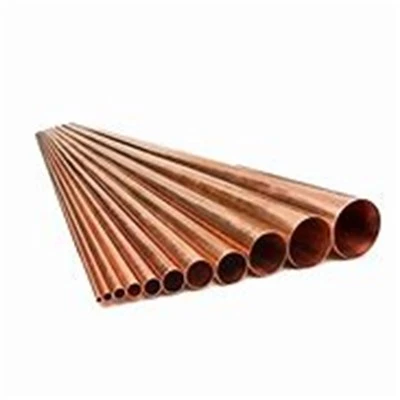
When selecting a tube material, you need to consider the type of fluid in the system, the operating temperature and pressure, and the cost.
Copper Strip Hey, if you’re dealing with problems in your heat exchanger tubes or are looking to purchase high – quality heat exchanger tubes for your operations, don’t hesitate to reach out. We can talk about your specific needs and find the best solutions for you.
References
- Heat Exchanger Handbook, by D. Q. Kern
- Corrosion Engineering: Principles and Practice, by Pierre R. Roberge
- Mechanical Engineers’ Handbook, by Myer Kutz
Gnee Steel (Tianjin) Co., Ltd.
Gnee Steel (Tianjin) Co., Ltd. is one of the leading heat exchanger tube manufacturers and suppliers in China. We warmly welcome you to buy discount heat exchanger tube for sale here from our factory. All our products are with high quality and competitive price. Contact us for more cheap products.
Address: No.4-1114, Beichen Building, Beicang Town, Beichen District, Tianjin, China
E-mail: sales@gneemetal.com
WebSite: https://www.chinacopperalloys.com/
