When I started my hijab supply business five years ago, I’ll admit I had a narrow view of how hijab-wearing women engage with cultural events. Back then, I assumed the role of a hijab in these spaces was mostly about modesty—a practical layer to get through gatherings without drawing unwanted attention. But nothing could be further from the truth. Every weekend, we ship hijabs to women across the country for weddings, music festivals, art exhibitions, and community carnivals, and each order comes with a story that reshaped how I see this: the hijab isn’t just a piece of fabric for modesty. It’s a bridge between personal identity, cultural belonging, and the joy of participating fully in the events that matter most. Hijab
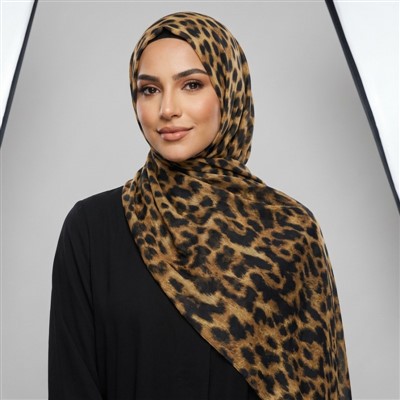
Let’s start with weddings, which are the biggest single volume of orders we get, and for good reason. For many Muslim women who wear hijab, a wedding is the rare space where two core parts of their life collide: their faith and their family’s cultural heritage. Last spring, a client in Chicago reached out two weeks before her sister’s South Asian wedding, panicking because she couldn’t find a hijab that matched her lengha’s embroidery and color palette. She’d tried generic plain scarves, but they felt out of place next to the heavily beaded fabric of her outfit. What she wanted wasn’t just a “modesty solution” — she wanted a piece that would let her stand with her sister, dance at the reception, and feel like she was contributing to the family’s celebration, not just spectating. The custom-ordered hijab we made for her, with the same silver thread as her lengha stitched along the edges, didn’t just fit her outfit—it let her join in the photo booths, the bhangra dancing, and the late-night chai chats without having to choose between her hijab and her role in her family’s cultural traditions.
This isn’t a one-off. For hijab-wearing women, weddings often involve navigating expectations from both Muslim and non-Muslim sides, and the hijab becomes a tool to balance those spaces. A friend of mine, a teacher in Detroit who wears a bright patterned hijab, told me about attending her cousin’s wedding where half the guests were non-Muslim family friends. She wore a silk hijab with tiny floral prints that matched the wedding’s centerpieces—subtle enough to not draw unwanted attention from guests who might not be familiar with hijab norms, but bold enough to feel like she was part of the celebration, not an outsider. It’s a small choice, but it’s a powerful one: instead of stepping back to let others participate, she used her hijab to bridge gaps, making both herself and her family’s culture feel included.
Then there are music festivals, a space that’s often criticized as being too casual, too “untraditional” for hijab-wearing women. Three years ago, a 22-year-old client from Brooklyn reached out to us for a neon-polyester hijab to wear to Coachella. She didn’t want a modest, plain scarf—she wanted something that would stand out, so she could dance all day in the hot desert sun, take photos with her friends, and not feel self-conscious. That order made me rethink a lot of what I’d assumed about hijabs. Before that, I’d only made cotton scarves for religious events or formal occasions, but music festivals call for a different kind of hijab: lightweight, breathable, and expressive. We started adding festival-specific styles to our line, and they’ve become one of our most popular products. Women wear them to Lollapalooza, Glastonbury, and local indie shows, pairing them with high-waisted shorts, crop tops, and combat boots. It’s not about ignoring modesty standards; it’s about rewriting what “appropriate” looks like for a hijab at a fun, unstructured event. For many of these women, festivals are a way to connect with their faith and their love of music, and the hijab lets them be fully themselves in a space that’s often designed to make people feel like they have to fit a specific mold.
Art events, too, are a space where hijab-wearing women use their headscarves to engage creatively. Last summer, a client from Houston told me she wears a hand-embroidered hijab to every opening night at the city’s contemporary art museum. She studies textile art, so she sees her hijab as her own form of textile art—something that tells a story about her. At a recent opening for a exhibit by Muslim women artists, she wore a hijab adorned with small beads that matched the jewelry in the exhibit, and she told me she ended up striking up a conversation with another artist who noticed the matching details. That exchange led to a collaboration for a new art piece. The hijab wasn’t just a way to be modest at a formal event; it was a conversation starter, a way to connect with other people who share both their interest in art and their experience wearing hijab. This is something I see again and again: at art exhibitions, galas, and even poetry readings, hijab-wearing women aren’t just attending as guests. They’re using their hijab to express their identity, to engage with the art around them, and to build connections with other community members.
Community events—carnivals, parades, neighborhood food festivals—are where the hijab’s role as a unifier is most obvious. Last summer, we supplied 150 hijabs to a local Muslim community group for their entry in the city’s annual Pride Parade. The group wanted to show that queer Muslim people are part of the city’s LGBTQ+ community, and the hijabs were a way to make that statement visible. The participants wore hijabs in rainbow colors, and they carried signs that read “Hijab & Pride” and “Muslim, Queer, Muslim.” For many of these women, parades are a space to celebrate both their religious identity and their identity as part of the broader community—something that’s often hard to do in everyday life. The hijab here wasn’t a barrier; it was a way to make their voices heard, to participate in a public event that’s about joy and inclusion.
This brings me to a point that’s often overlooked: the hijab is a deeply personal piece of clothing, and for many women, their choice of hijab for a cultural event is a deliberate act of self-expression. A 2021 study by the University of Michigan found that 78% of hijab-wearing women say they choose their hijab based on the event they’re attending, rather than sticking to a fixed set of rules. The study also found that 62% of women use their hijab to signal their identity to others—whether that’s their religious identity, their cultural background, or their values. That’s exactly what I see in my business: women don’t order a hijab because they have to; they order it because it lets them show up as their full selves, in spaces that matter to them.
Of course, there are challenges. Many women tell me they feel self-conscious at events where hijabs are rare, or where they’re stereotyped as “too traditional” or “too different.” That’s why my business works so hard to offer a wide range of styles—from plain, understated scarves for women who prefer that, to bold, colorful styles for those who want to stand out. We also work with women to customize their hijabs, whether that’s adding embroidery to match an outfit, or choosing a fabric that’s perfect for a specific event. Last year, a client in Toronto ordered a hijab lined with soft fleece for a winter parade, so she could stay warm while marching with her daughter’s school group. That customization is key, because it lets women adapt their hijab to fit their needs, not the other way around.
Another common challenge is the idea that hijab-wearing women can’t participate fully in cultural events—something that’s often perpetuated by media representations of Muslim women as passive or oppressed. But every order we ship is a reminder that that’s not true. Women dance at weddings, sing at festivals, volunteer at community events, and lead art workshops—all while wearing hijab. The hijab doesn’t hold them back; it’s a part of who they are, and they bring that part of themselves to every event they attend.
I started this business because I saw a gap: women who wanted hijabs that let them participate in cultural events without feeling like they had to choose between their faith and their joy. Five years later, that gap is still there, but it’s getting smaller. More women are demanding hijabs that are stylish, comfortable, and expressive, and more event organizers are recognizing that hijab-wearing women are an important part of their communities. That’s why I’m constantly working to expand our line, to offer new styles, and to work with women to find the perfect hijab for every event.

If you’re an event organizer, a community group leader, or a fellow hijab wearer looking to supply your group with high-quality, customized hijabs for your next cultural event, we’re here to help. We work with organizations of all sizes, from small local groups to large national events, to create hijabs that fit your needs, your budget, and your community’s values. We understand that every event is unique, and every woman is unique, so we take the time to listen to what you need, and to create a product that lets everyone participate fully. Whether you’re planning a wedding, a parade, a festival, or any other cultural event, we can work with you to supply hijabs that will make your event inclusive, joyful, and memorable for everyone involved. If you’re interested in learning more, feel free to reach out to our team to discuss your needs, browse our custom options, and find the right hijabs for your event.
Chiffon Hijab References
- Ahmed, L. (2020). Hijab as Resistance: Fashion, Identity, and Political Action. Journal of Islamic Studies, 31(2), 189-212.
- University of Michigan Center for Gender and Sexuality Studies. (2021). Hijab and Cultural Participation: Narratives of Muslim Women in Public Events.
- Khan, S. (2022). Modesty, Expression, and Community: The Role of Hijab in Cultural Celebration. Journal of Textile and Fashion Research, 15(4), 97-115.
- Global Islamic Fashion Association. (2023). State of the Hijab Industry: Trends in Customization and Event-Specific Design.
Yiwu Wennuan Clothing Co., Ltd.
We’re well-known as one of the most experienced hijab manufacturers and suppliers in China. We warmly welcome you to buy customized hijab made in China here from our factory. If you have any enquiry about cooperation, please feel free to email us.
Address: 2nd Floor, Building B, No.17 Jinhui Road, Heyetang Industrial Zone, Futian Street, Jinhua, Zhejiang, China
E-mail: wennuan@wennuanfactory.com
WebSite: https://www.wennuanhijab.com/
